
Why Ayurveda for reversing your diabetes

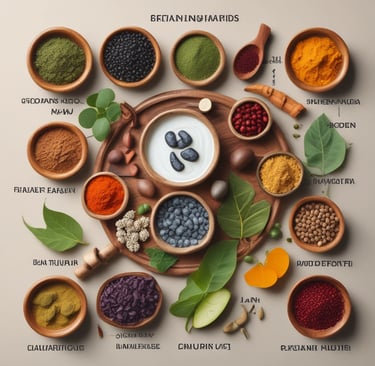
In recent years, diabetes has emerged as a significant global health concern, prompting individuals and healthcare providers alike to seek effective management strategies. Among various treatment modalities, Ayurveda has garnered attention for its holistic approach to reversing diabetes. This ancient Indian system of medicine offers unique principles and practices that may lead to better health outcomes for those living with this chronic condition.
Understanding Ayurveda and Diabetes
Ayurveda, a Sanskrit term meaning 'the science of life', is a comprehensive healing system that emphasizes balance in the body, mind, and spirit. It views diabetes, or "Prameh," as a metabolic disorder resulting from an imbalance in the body's doshas—Vata, Pitta, and Kapha. In Ayurveda, successful management of diabetes hinges on restoring this balance through personalized diet, lifestyle changes, herbal remedies, and detoxification practices.
Holistic Approach
One of the fundamental reasons to consider Ayurveda for diabetes management is its holistic nature. Unlike conventional medicine, which often focuses on symptom relief with medications, Ayurveda aims to address underlying causes and root imbalances. By doing so, it empowers individuals to take control of their health and well-being.
In Ayurveda, the focus extends beyond blood sugar levels to encompass factors such as emotional health, digestive function, and physical activity. This comprehensive approach not only facilitates blood sugar stabilization but also enhances overall quality of life.
Personalized Treatment Plans
Another significant advantage of Ayurveda is its emphasis on individualized treatment protocols. In contrast to a 'one-size-fits-all' approach commonly found in Western medicine, Ayurvedic practitioners tailor their recommendations based on an individual's unique constitution (Prakriti), current health status, and specific imbalances.
For someone diagnosed with diabetes, an Ayurvedic practitioner may blend a carefully curated combination of dietary recommendations, herbal formulations, and lifestyle adjustments designed to support insulin sensitivity and glucose metabolism. This personalization can significantly enhance adherence to the treatment plan and subsequently improve results.
Dietary Modifications in Ayurveda
Diet is a central piece of the Ayurvedic puzzle. Individuals with diabetes are often encouraged to adopt a balanced diet rich in whole, natural foods. Foods that are considered to have a low glycemic index and high fiber content are prioritized, such as whole grains, legumes, fresh vegetables, and certain fruits.
Moreover, Ayurveda recommends mindful eating practices, emphasizing the importance of eating with awareness and gratitude. This approach not only aids in proper digestion- known as 'Agni', or digestive fire in Ayurveda - but also helps in regulating blood sugar levels more effectively.
Herbal Remedies
Ayurveda is renowned for its use of herbs, some of which exhibit anti-diabetic properties. For instance, bitter gourd (Karela), fenugreek (Methi), turmeric (Haldi), and cinnamon (Dalchini) are commonly used in managing diabetes. These herbs are believed to enhance insulin sensitivity, reduce blood sugar levels, and improve overall metabolic function.
Incorporating these herbs into daily life can be a natural and effective means of supporting one's health, as they work synergistically with the body’s own systems to restore balance and function.
Detoxification and Cleansing
Another key element of Ayurvedic practice is the concept of detoxification, known as 'Panchakarma.' This process involves cleansing the body to remove toxins (Ama) and restore health. For diabetics, periodic detoxification can help in resetting the digestive system and enhancing metabolic efficiency.
By eliminating accumulated toxins, individuals may experience improved nutrient absorption, better energy levels, and more effective hormonal balance, all of which are crucial in managing diabetes.
Mindfulness and Stress Management
Stress plays a pivotal role in the development and management of diabetes. Ayurveda recognizes the connections between mental health and physical health. Techniques such as yoga, meditation, and breathing exercises (Pranayama) are integrated into Ayurvedic practices to promote mental clarity, reduce stress, and improve emotional well-being.
Furthermore, through practices such as yoga, individuals improve their physical fitness, enhance insulin sensitivity, and foster a greater connection between mind and body, which is essential in managing diabetes holistically.
Long-term Perspective
While modern medicine often involves lifelong medication usage, Ayurveda encourages a shift in perspective towards prevention and long-term health management. By adopting an Ayurvedic lifestyle, individuals may not only aim to reverse their diabetes but also sustain their health over time through consistent practices. This includes maintaining a balanced diet, managing stress, and engaging in regular physical activity.
Community and Support
Finally, the support aspect of Ayurveda cannot be overlooked. Ayurvedic practitioners often work closely with their patients, providing comprehensive guidance and encouragement throughout their wellness journey. This community aspect fosters accountability and motivation, essential components for anyone undertaking the challenge of reversing diabetes.
Conclusion
In summary, Ayurveda presents a compelling case for its role in reversing diabetes through its holistic, personalized, and preventive approach. By focusing on the interconnectedness of body, mind, and spirit, Ayurveda enables individuals to regain control over their health while addressing the root causes of diabetes, rather than merely managing symptoms.
Therefore, for those who are seeking an alternative strategy to manage or reverse their diabetes, exploring the benefits of Ayurveda may be a worthwhile path. As always, it is recommended to consult healthcare professionals before making significant lifestyle or treatment changes. Embracing ancient wisdom in modern times could lead to a path filled with health, wellness, and vitality.